Welcome to WordPress. This is your first post. Edit or delete it, then start writing!
williamyschoi.com
…my reflections on food, how people think, healthy living, and how to make things just a little bit better.
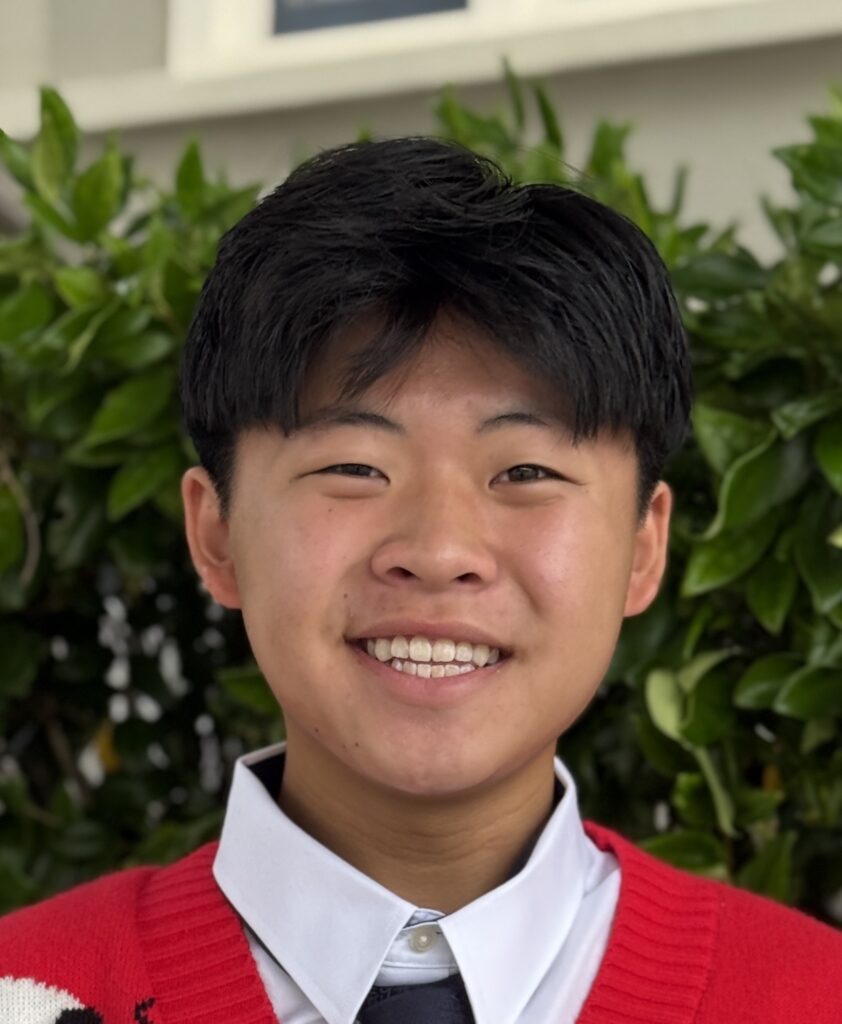
Hello! I’m William Choi, a junior in high school. I grew up in San Francisco’s diverse food culture. Half Chinese, half Korean, and fluent in Mandarin, I’m interested in how food reflects culture, access, and health. This blog explores those connections through everyday experiences and questions about what might work to improve health in my communities.
-
$1 Bánh Mì and a Bigger Health Question

Hanoi 
Simple Banh Mi 
Banh Mi Mama (people started lining up before 8AM!) 
Street Cart I spent two weeks in Vietnam this winter, and every day I bought a bánh mì from a street vendor around the corner. For about one U.S. dollar, I got a baguette filled with grilled meat, pickled carrots, daikon, cucumber, cilantro, and chili. There\’s nothing like it in the US.
One thing that stood out to me was how balanced a banh mi is. Every one has a portion of protein, vegetables, and carbs. It\’s fresh and made to order and not ultra-processed. Vietnam has much lower obesity rates than the United States, and eating this way every day made me wonder how food culture affects health.
Of course the benefits are clear. Street food in Vietnam is cheap and accessible. Eating out doesn\’t mean overeating. Meals are smaller and there are a lot of vegetables.
At the same time, there are a lot of concerns. From my perspective, food safety regulations were more limited than in the US. Meat could be undercooked and I worried about fresh vegetables carrying risks like typhoid or other infections if they weren\’t washed really well (and I observed first hand some questionable washing techniques on the sidewalks and streets).
Seeing both sides helped me think about what the US could learn from Vietnam. We might not copy the street food system exactly, but we can learn from the simplicity. Affordable and fresh meals make healthy choices feel normal. If food like bánh mì were easy to find in SF, choosing better options would become an easy daily habit.
-
Finding Korean BBQ in Spain

Madrid This week in Spain, I didn\’t expect to walk into a Korean BBQ restaurant! It was just between two tapas bars, but it looked full of local diners along with a good number of tourists like us. Watching them grill their own food made me think less about the menu and more about the people.
I think that Korean BBQ seemed exciting because it turns eating into something shared and interactive. Everyone leans over the grill, talks, laughs, and cooks together. That fits naturally with many cultures (including Spain) of longer meals and social dining. The ingredients might be different, but the way people enjoy it is the same.
Korea has been very intentional about spreading its culture globally, and food is a part of that. Korean BBQ is all about participation. It makes people slow down and engage, not just eat. This is the same feeling I had in Greece, and in so many other places. Maybe that\’s why it resonates across cultures.
From a health perspective, I think grilling your own food has tradeoffs. People are more aware of what they eat and how much they cook. At the same time, it is easy to overeat red meat or char food if you are not careful (and boy did I overeat!)
Seeing Spanish people embrace Korean BBQ reminded me that food and social habits spreads through people, not trends.
-
Snacking Smarter Without Really Noticing (Mostly)

Conference snacks 
Fancy! 
Movie popcorn 
Homemade snacks 
Crisp apple rosettes Snack foods are everywhere, especially at school events and social gatherings. At a recent event I attended, tables were lined with chips, cookies, popcorn. They were easy, familiar, and expected. The same is true at the movies, where heavily buttered popcorn is practically part of the ticket. None of these foods are “bad,” but they are designed to be eaten mindlessly, often without much thought about what is actually in them.
What surprised me is how easy it is to make small changes without giving anything up. Popcorn, for example, can be a healthy snack when it is air-popped and lightly seasoned instead of soaked in butter. It keeps the crunch and volume people love, with far less fat. For a school event, I made crisp baked apple rosette pastries. They looked impressive, tasted indulgent, and were made with simple ingredients and minimal added sugar. Most people did not even realize they were a healthier option.
I used to think changing eating habits meant giving up foods I enjoyed. I honestly did not even know I had to change. What made the difference was learning what was actually in common snacks and realizing that cooking can be creative and fun, not restrictive.
With better awareness of nutritional content and simple education on how to prepare food in approachable ways, I think many people my age would make better choices. Not because they are told to, but because they see that healthier options can be just as easy, satisfying, and enjoyable.
-
Fried, Familiar, and Everywhere: Rethinking Obesity Through Southern Food
Fried & Familiar: Thinking About Obesity and Southern Cooking

Red\’s Hot Chicken, Nashville TN (by the Parthenon) The obesity epidemic in the United States is really worrisome. The evidence is everywhere, in the reported statics and also on sidewalks and on plates everywhere you look. Growing up, my family travelled often between San Francisco and the South. Both of my parents were raised in the South, all four of my grandparents still live there, and I visit often. Obesity is everywhere, but more prominent in the South than in SF. Every trip highlights how food culture, access, and environment shape people\’s overall health.
In San Francisco, fresh produce and organic options are easy to find. Farmers markets and health-focused grocery stores are part of my daily life. But in the South, there are large areas where the food landscape is different. Fresh produce is harder to access and expensive. Plus people eat meals based on tradition more than nutrition labels. Fried foods are often staples.
That reality reflects history, economics, and culture. Southern food is social and tied to family. Public health messages that say “eat better” just don\’t get that context.
The Nashville hot chicken sandwich is a great example (The famous Red\’s Hot Chicken plate is pictured above…although Ms Hattie B\’s may be my favorite). It\’s a comfort food and a cultural icon. It is also calorie-dense and cooked in saturated fat. When foods like this are everyday meals, the long-term health effects can be terrible.
Traveling through the South has pushed me to think about how obesity is a true public health problem. Restriction or shame won\’t work as solutions. Lately I have been thinking about how to modify thing sin an acceptable way instead of replacing them flat out: how to create crunch and heat with less oil, different cooking methods, or healthier ingredients. Is it possible for traditions to evolve?
I think improving the obesity risks in the US starts with understanding why people eat what they eat. If we want public health initiatives to work, we have to respect culture, improve access, and make healthier choices feel familiar instead of forced.
-
Advisory Snacks

Seo-dukk 
Kimchi fried rice In my student advisory, everyone takes turns bringing in snacks. When it’s my turn, I make a point to bring Korean and Chinese foods, especially things that are interesting or require a bit of special preparation. Last week I made homemade seo-dukk seo-dukk. The time before I made kimchi fried rice. People ask questions; food opens conversations. Sharing food and flavors together is an easy entry point to sharing culture and a better understanding of what makes people eat the things that they do .
-
Hot Sauce, MSG, and School Lunch

MSG…. 
…makes most things taste better School lunch is predictable. To make it better, I usually bring my own hot sauce or MSG. Sometimes I toast bread or remix flavors with friends. It’s half joking, half genuine curiosity.
I’ve realized that students want food to feel personal. Nutrition guidelines matter, but if food doesn’t taste good, it won’t get eaten. This made me think about how public health nutrition has to balance standards with real preferences, especially for teenagers.
-
Skewers in Greece

A good table 
So. Many. Skewers. 
Slow and social 
Proper grilling takes time and care! Athens, Naxos, and Santorini: I grilled fresh lamb skewers with family. The ingredients were simple: lamb meat (which we bought straight from the butcher who cut it right in front of us!), olive oil, and salt. Every meal was slow but nice because we cooked together and got to talk a lot while prepping and eating. And the flavors were indescribable. Is it the freshness? The lack of preservatives? Something in the wood, the water, or the air itself? This made be notice how food in these areas felt connected to place. Ingredients are local, cooking is slow, and eating isn’t rushed. I\’ve been wondering how pace affects health. Maybe slowing down matters just as much as what we eat.
-
The Day I Got Food Poisoning in Mexico City

Street tacos 
Grasshoppers & Crickets 
Mangos with spice On a trip to Mexico City, I got food poisoning and spent two days miserable. I never figured out the exact source (there were so many possibilities). As unpleasant as it was, it made food safety feel very real, not abstract.
Instead of turning me off travel food, I think it made me more curious. How do different parts of the world manage food safety? What is different about how locals vs tourists balance the risks against culture and experience? I think public health should be about more than just preventing people from getting sick; it should be about making systems safer without taking away from tradition.
-
What People Order

Chicken n cashews, K25 spicy hot! After working enough days, patterns become obvious. People don’t order randomly. Late afternoon customers choose heavier dishes. Lunch time regulars almost always pick lighter meals. Some people order the same thing every time they come, almost like a ritual.This made me realize that food choices are tied to mood, energy, and stress. When people are tired, they want comfort and familiarity, not something new or healthy in a strict sense. That made me curious about how all of the official health messages reach ordinary people and impact real life. It’s easy to recommend better nutrition, but harder to account for people feeling tired, stressed about cost, or resisting habits.
-
Behind the Counter at Ms. Betty’s Magic Wok

The Magic Wok, Oak Ridge, TN 
Me, working the cash register 
Fresh wontons Working at my grandmother’s restaurant, Ms. Betty’s Magic Wok in Oak Ridge, Tennessee, has shaped how I think about food more than any class. I’ve spent hours chopping vegetables, washing dishes, running orders, and watching my grandmother cook from memory rather than recipes. Food here isn’t trendy or experimental; it’s just consistent and comforting.
What stands out to me is how food functions as a form of care. Regulars come in after long shifts. They order the same dishes every time. I’ve learned that nutrition isn’t always about optimizing. Instead it’s often about reliability. Watching people eat the same meals week after week made me wonder how routine affects health over time, especially in working communities where food has to be fast, affordable, and filling.